
Key Takeaways
- PRP injections use concentrated platelets from a patient's own blood to help calm inflammation and support healing in an arthritic joint.
- Research shows the strongest results for mild to moderate knee osteoarthritis, with some studies showing benefits lasting up to two years.
- Preparing for a PRP appointment may mean pausing certain blood thinners or NSAIDs beforehand, so reviewing medications with a provider ahead of time matters.
- Most patients notice initial improvement within a few weeks, though full benefits can take longer to develop.
- Insurance coverage for PRP varies widely and is often limited, so it is worth checking benefits before scheduling.
- Modern Edge Sports & Orthopedic Medicine offers PRP injections for joint pain to patients throughout Jeannette, PA and the greater Pittsburgh area, and patients can request an appointment to see if they are a good candidate.
How PRP Targets Inflammation at the Source of Joint Pain
Joint pain from osteoarthritis often comes from a combination of cartilage breakdown and ongoing low-grade inflammation inside the joint. Rather than simply masking pain, PRP injections aim to work at that source. According to the Cleveland Clinic, PRP may help by triggering a short-term inflammatory response that jump-starts healing, stimulating collagen production, and encouraging cell turnover, effects that can add up to reduced inflammation and pain over the longer term.
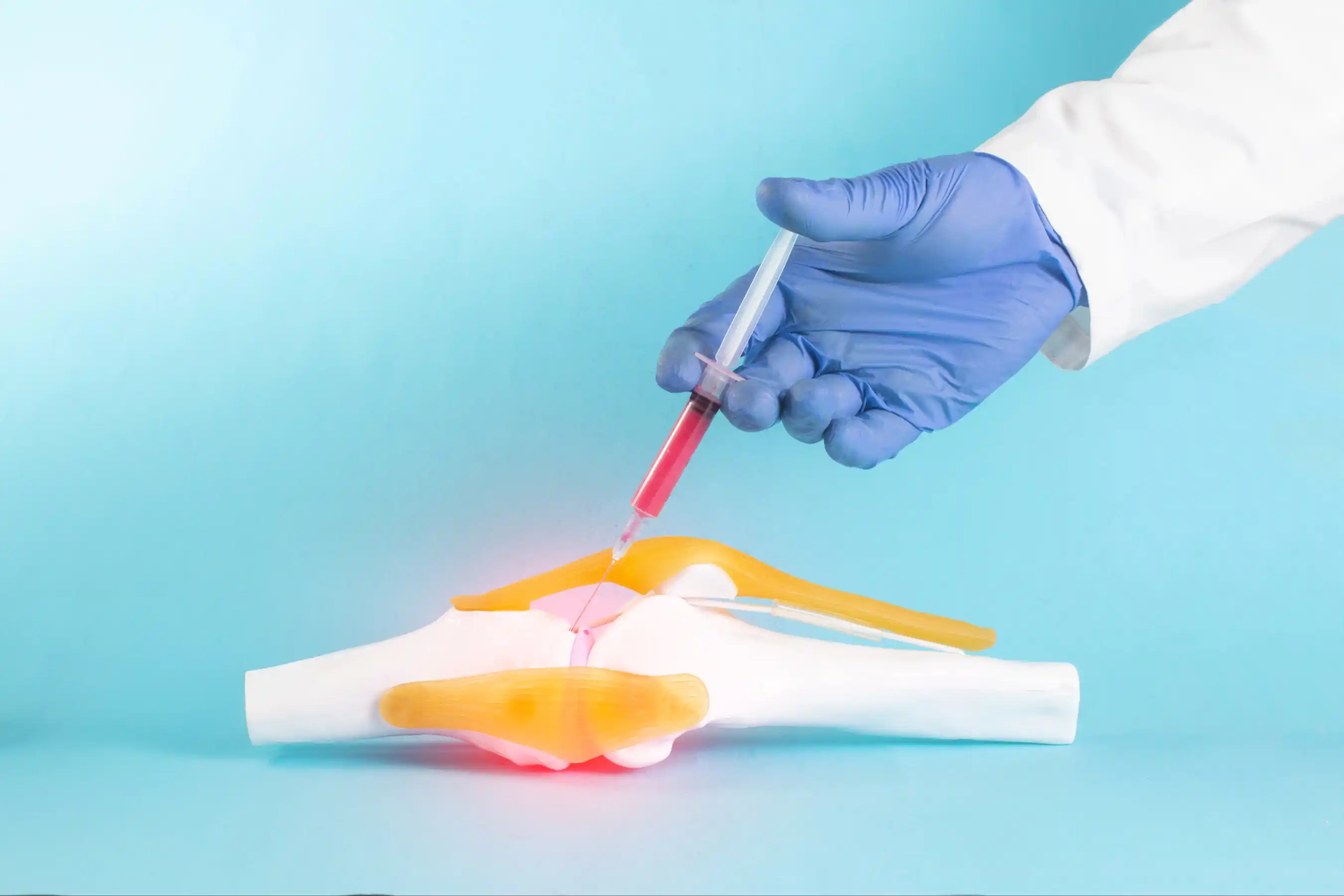
Because PRP is created from a patient's own blood, it is injected directly into the affected joint, such as the knee, hip, or shoulder, where the concentrated growth factors can act on the exact tissue causing pain.
What the Research Says About PRP for Joint Pain
Patients considering PRP for joint pain often want to know how strong the evidence actually is. According to the American Academy of Orthopaedic Surgeons (AAOS), a growing body of research supports PRP as an effective option for mild to moderate knee osteoarthritis, with some studies showing benefits that last up to two years. AAOS also notes that questions remain about which specific PRP formula works best, since the effectiveness of different preparations, including how many white blood cells they contain, has not been fully determined.
This is useful context before booking: PRP for joint pain is best understood as a well-supported option for early to moderate arthritis rather than a guaranteed fix for every stage of joint disease. A provider can review imaging and joint history to determine whether a patient's arthritis is likely to respond well.
What to Know Before You Book
A little preparation ahead of time can make the appointment go more smoothly.
- Review current medications. According to the Cleveland Clinic, providers may ask patients to pause blood thinners or NSAIDs before treatment, so it helps to have a current medication list ready to discuss.
- Check insurance coverage. PRP is often billed as an out-of-pocket treatment since coverage varies significantly between plans, and few plans, including workers' compensation plans, offer even partial reimbursement.
- Plan for a short appointment window. A therapeutic PRP injection typically takes about an hour from blood draw to injection.
- Expect mild soreness afterward. Swelling and discomfort at the injection site for a day or two is a normal part of the healing response the treatment is designed to trigger.
- Set realistic expectations for timing. Initial improvement is often noticeable within a few weeks, though full results can take a few months to develop, and some patients need more than one treatment.
What Happens During a PRP Injection for Joint Pain
At Modern Edge Sports & Orthopedic Medicine, a PRP appointment for joint pain follows a consistent process:
- A blood sample is drawn, similar to routine bloodwork.
- The sample is placed into a centrifuge, which spins at high speed to separate and concentrate the platelets.
- Dr. Michael Wong injects the concentrated platelet-rich plasma directly into the affected joint, sometimes using ultrasound guidance to confirm precise placement.
PRP Injections vs. Other Joint Pain Treatments
| Feature | PRP Injection | Corticosteroid Injection | Corticosteroid Injection |
|---|---|---|---|
| Source | Patient's own blood | Anti-inflammatory medication | Gel-like lubricating substance |
| Goal | Support long-term tissue healing | Fast, short-term inflammation relief | Cushion and lubricate the joint |
| Onset | Gradual, over several weeks | Often within days | Gradual, over a few weeks |
| Typical use | Mild to moderate osteoarthritis | Acute pain flare-ups | Knee osteoarthritis specifically |
| Insurance coverage | Often limited or out-of-pocket | Generally covered | Coverage varies by plan |
Some patients use PRP alongside corticosteroid injections or viscosupplementation as part of a broader treatment plan, rather than choosing only one option. Dr. Wong can help determine which combination fits a patient's specific joint and stage of arthritis.
Is PRP Right for Your Joint Pain?
Good candidates for PRP injections typically have mild to moderate osteoarthritis that has not fully responded to conservative treatments like rest, physical therapy, or anti-inflammatory medication. Patients with more advanced, severe joint damage may be better served by other treatments, which is why an in-person evaluation matters before booking.
Schedule a PRP Consultation for Joint Pain
Persistent joint pain does not have to mean immediately jumping to surgery. Modern Edge Sports & Orthopedic Medicine offers PRP injections as a non-surgical option for patients whose joint pain has not fully responded to other conservative treatments.
If knee, hip, or shoulder pain has been slowing down daily activities, request an appointment with Dr. Wong to find out whether PRP injections are a good next step.
Frequently Asked Questions
What should I do to prepare for a PRP injection?
Reviewing current medications with a provider ahead of time is important, since certain blood thinners or NSAIDs may need to be paused before treatment. Checking insurance benefits beforehand is also worthwhile, since PRP coverage varies by plan.
How long does a PRP injection for joint pain take?
A therapeutic PRP injection typically takes about an hour, including the blood draw, centrifuge processing, and injection into the joint.
How soon will I feel relief after a PRP injection?
Many patients notice initial improvement within a few weeks, though it can take a few months for the full benefits to develop. Some patients need more than one PRP treatment to reach their desired results.
Does insurance cover PRP injections for joint pain?
Coverage varies widely by plan, and many insurance plans, including workers' compensation plans, provide little to no reimbursement for PRP. Checking benefits before scheduling can help avoid surprises.
Where can I get PRP injections for joint pain near me?
Modern Edge Sports & Orthopedic Medicine offers PRP injections for joint pain to patients throughout Jeannette, PA and the surrounding Pittsburgh area. A consultation with Dr. Wong is the first step toward finding out if PRP is the right fit.
