
Key Takeaways
- Plantar fasciitis is a common condition that causes severe heel pain, often feeling the most intense during your first steps in the morning.
- The primary plantar fasciitis causes include repetitive stress, improper footwear, and high-impact sports activities that irritate the thick band of tissue at the bottom of your foot.
- You can achieve significant heel pain relief through simple lifestyle changes, including specific stretching routines and wearing supportive shoes.
- Non-surgical plantar fasciitis treatment options, such as targeted injections and physical therapy, provide effective healing without the need for invasive procedures.
- Modern Edge Sports & Orthopedic Medicine is an expert provider of sports injury care and orthopedic treatments in Jeannette, PA, offering personalized solutions to help you recover quickly and schedule an appointment easily.
Understanding Plantar Fasciitis Causes and Symptoms
If you feel a sharp, stabbing pain in your heel when you step out of bed, you might be dealing with plantar fasciitis. This condition happens when the plantar fascia—the thick band of tissue that connects your heel bone to your toes—becomes inflamed. According to data from the Cleveland Clinic, this condition affects approximately 2 million people in the United States every single year. It is one of the most common reasons patients seek out an orthopedic doctor near you.
The primary plantar fasciitis causes relate to repetitive stress and tension on the arch of your foot. Athletes, particularly runners, frequently develop this condition due to the constant impact on hard surfaces. However, you do not have to be an athlete to experience it. People who stand for long hours on hard floors, carry extra body weight, or have structural foot issues like flat feet or high arches are also at a high risk.
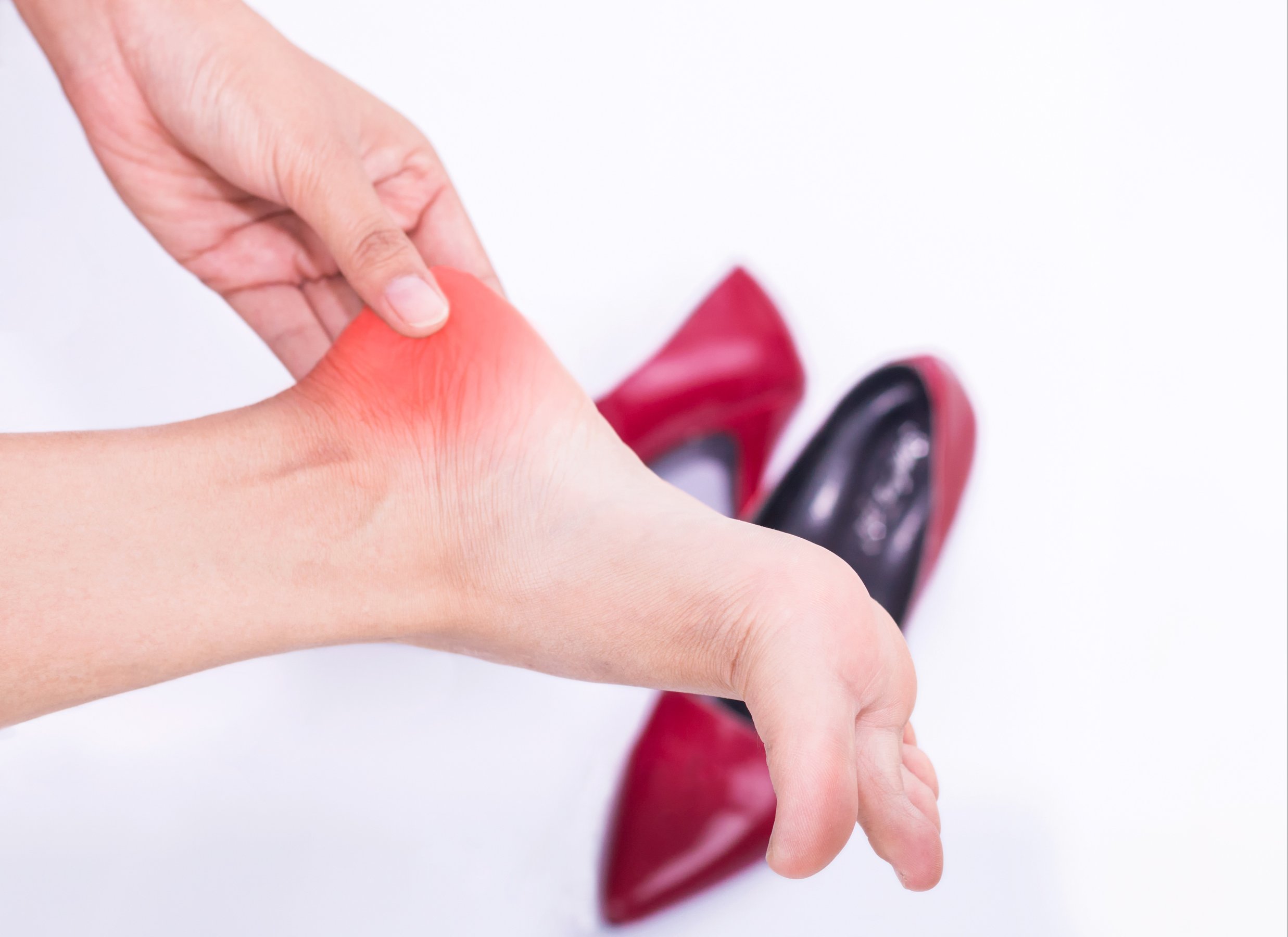
The most recognizable symptom is a sharp pain at the bottom of the heel. This pain usually peaks in the morning or after long periods of sitting. While the discomfort may decrease as you walk around and the tissue warms up, it often returns after prolonged standing or exercise. Recognizing these early signs is crucial because ignoring the pain can lead to chronic issues that alter how you walk, potentially causing secondary problems in your knees, hips, or back.
How to Manage Plantar Fasciitis
Finding effective heel pain relief requires a comprehensive approach. Here are five patient-friendly methods to reduce inflammation, relieve pain, and heal the damaged tissue.
1. Daily Exercises for Plantar Fasciitis
One of the most effective ways to manage this condition is through targeted stretching. Tight calf muscles pull on the heel bone, which in turn pulls on the plantar fascia. By loosening the calves and the foot arch, you reduce this tension.
Helpful exercises for plantar fasciitis include the towel stretch and the calf wall stretch. For the towel stretch, sit on the floor with your legs straight, loop a towel around the ball of your foot, and gently pull it toward you while keeping your knee straight. Hold for 30 seconds and repeat. You can also roll a frozen water bottle under the arch of your foot. This simple exercise not only stretches the tissue but also applies soothing cold therapy to reduce inflammation.
2. Upgrading to Supportive Footwear and Orthotics
Your shoes play a massive role in foot health. Walking barefoot or wearing shoes with zero arch support—like flimsy sandals or worn-out sneakers—puts excessive strain on your plantar fascia. WebMD notes that replacing athletic shoes regularly and choosing footwear with a thick, cushioned midsole can prevent further tissue damage.
Custom or over-the-counter orthotic inserts also provide excellent heel pain relief. These inserts distribute pressure more evenly across your foot and support your natural arch, preventing the fascia from overstretching with every step you take.
3. Modifying Your Activity Levels
Rest is a critical component of any plantar fasciitis treatment plan. If high-impact activities like running or jumping caused your heel pain, you need to give your body time to heal. Switch to low-impact exercises that keep you active without pounding your feet. Swimming, cycling, and rowing are fantastic alternatives that maintain your cardiovascular fitness without aggravating your heel. If you have recently suffered a different lower-body injury, exploring treatment for fractures and ensuring proper overall body mechanics can also prevent compensatory foot pain.
4. Utilizing Ice and Anti-Inflammatory Medication
Applying ice to the affected area helps numb the pain and significantly reduces swelling. Apply an ice pack wrapped in a thin towel to your heel for 15 to 20 minutes, three to four times a day. Over-the-counter nonsteroidal anti-inflammatory drugs (NSAIDs) like ibuprofen can also offer temporary heel pain relief, making it easier to perform your stretching exercises comfortably.
5. Exploring Advanced Non-Surgical Treatments
When home remedies and basic stretches do not provide enough relief, it is time to consult a specialist. At Modern Edge Sports & Orthopedic Medicine, we utilize cutting-edge, non-surgical treatments to accelerate your healing. Options include diagnostic ultrasound to pinpoint the exact location of the inflammation, followed by targeted therapies such as corticosteroid injections to rapidly reduce swelling. We also offer PRP (Platelet-Rich Plasma) therapy, which uses your body's own healing properties to repair the damaged fascia tissue at a cellular level. You can learn more about how we treat similar inflammatory conditions on our tendinitis care page.
Plantar Fasciitis vs. Heel Spurs
| Feature | Plantar Fasciitis | Heel Spurs |
|---|---|---|
| Definition | Inflammation of the thick tissue band on the bottom of the foot | Bony growth extending from the heel bone |
| Primary Cause | Repetitive strain and micro-tears | Long-term stress and untreated plantar fasciitis |
| Pain Type | Sharp, stabbing pain, especially in the morning | Often painless, but can cause dull aching if they rub surrounding tissue |
| Treatment Focus | Stretching, orthotics, injections, reducing inflammation | Managing the underlying inflammation; surgery is rarely needed |
How Modern Edge Provides Personalized Care
No two patients experience foot pain the exact same way. That is why Modern Edge Sports & Orthopedic Medicine focuses on customized care plans tailored to your specific lifestyle and goals. We bridge the gap between primary care and invasive surgery by offering advanced, conservative management strategies.
Our team takes the time to thoroughly evaluate your foot mechanics, discuss your daily activities, and understand your medical history. To learn more about our patient-centered approach, you can read about us and discover how we keep active individuals moving comfortably.
Find Lasting Heel Pain Relief Today
Living with sharp, persistent foot pain makes every step a challenge, but you do not have to endure it forever. By identifying the root cause of your discomfort and utilizing advanced, conservative treatments, you can restore your mobility and return to the activities you love without relying on surgery.
Ready to walk comfortably again? Request an appointment with Modern Edge Sports & Orthopedic Medicine today to explore expert plantar fasciitis treatment options tailored specifically to your needs.
Frequently Asked Questions
What happens if plantar fasciitis goes untreated?
Ignoring the pain can lead to chronic heel pain that hinders your regular activities. Over time, walking differently to avoid the heel pain can create new mechanical problems, leading to foot, knee, hip, or back issues.
How long does it take for plantar fasciitis to go away?
With consistent, conservative plantar fasciitis treatment, most patients experience significant improvement within a few months. However, the exact timeline depends on the severity of the inflammation and how strictly you follow your rest and stretching protocols.
Are there specific exercises for plantar fasciitis I should avoid?
Yes. You should avoid high-impact exercises like running, plyometrics, and jump roping while your foot is healing. Stick to gentle stretching and low-impact activities until an orthopedic specialist clears you for more intense workouts.
When should I see an orthopedic doctor for my heel pain?
You should schedule a visit if your heel pain lasts longer than a few weeks, if the pain is severe enough to cause you to limp, or if home treatments like ice and rest are not providing any heel pain relief.
