
Chronic knee, shoulder, or elbow pain can make it hard to stay active, and if you've already tried rest, physical therapy, or a cortisone shot without lasting results, it's natural to wonder what else is out there before considering surgery. PRP injections, or platelet-rich plasma (PRP) injections, are a non-surgical option that uses concentrated platelets from your own blood to support your body's natural tissue repair process.
At Modern Edge Sports & Orthopedic Medicine, Dr. Michael Wong, DO, prepares each PRP treatment using the EmCyte PurePRP® system, a clinical double-spin platform designed to concentrate platelets more consistently than basic single-spin kits. Dr. Mike reviews your imaging and health history personally, then performs every injection himself under ultrasound guidance to help place the platelets precisely where your tissue needs support.
If you're curious whether PRP treatment could fit into your recovery plan, our team is ready to talk through your options with you. Request an appointment below to schedule a consultation with Dr. Mike.
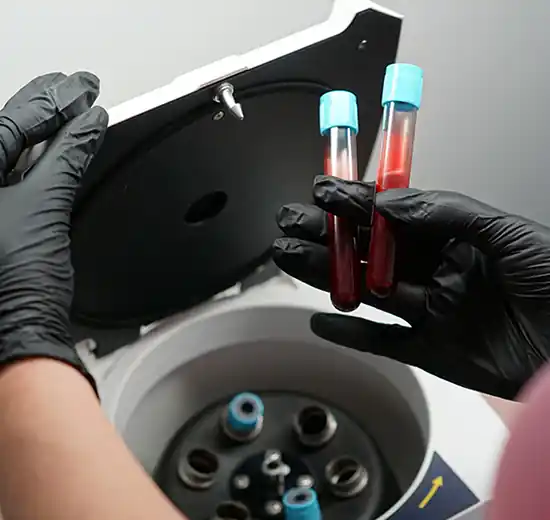
A PRP injection starts with a small blood draw, similar to routine lab work. Dr. Mike places the sample in the EmCyte PurePRP® system, a double-spin centrifuge that concentrates platelets while reducing the amount of red blood cells in the final preparation. Platelets contain growth factors, proteins that play a role in how your body responds to tissue injury. By concentrating platelets from your own blood and injecting them into the site of injury under ultrasound guidance, PRP treatment aims to support your body's own repair signals rather than introducing an outside substance.
PRP has been studied for several types of joint and tendon conditions, and results vary depending on the condition treated, the concentration of the preparation used, and how it's delivered. Research on PRP device design, including work by Fadadu and colleagues (2019), has found that the centrifuge system used affects the platelet yield and red blood cell content of the final injection.
A 2021 review by Sheean, Anz, and Bradley notes that reaching an adequate platelet dose while limiting red blood cells may support better outcomes, though researchers continue to study the ideal formula for different tissue types. We share this research with patients so they can make an informed decision, and we're careful not to promise a specific result, since individual outcomes vary.
PRP is an option many athletes and active adults explore for sports injuries, as well as for common overuse and degenerative conditions, including:
For some patients, Dr. Mike recommends pairing PRP with other non-surgical treatments to address different parts of an injury. Shockwave therapy can be used before a PRP injection to help prepare tissue, viscosupplementation may be added in an arthritic joint to provide lubrication alongside PRP’s biological support, and for chronic tendon injuries, PRP can be delivered as part of a non-surgical tendon repair procedure. Every combination is based on your specific diagnosis and goals, not a one-size-fits-all protocol.
After treatment, our team coordinates with your physical therapist on a structured home exercise and rehab plan to support healthy tissue remodeling as you recover.
PRP treatment for knee cost varies depending on your diagnosis and the number of sessions recommended. PRP injections are generally not covered by insurance the way a standard office visit is, so most patients pay for this treatment out of pocket. Visit our insurance and self-pay information pages for general guidance, or contact our office directly for current pricing.
For many patients with mild to moderate knee osteoarthritis or tendon irritation, a PRP knee injection can reduce pain and improve function enough to delay or avoid surgery. Results vary from person to person, and PRP is not a guaranteed alternative to surgery for every patient. Dr. Mike will talk with you honestly about whether you are a good candidate based on your imaging and symptoms.
A platelet-rich plasma knee injection contains a concentrated sample of platelets separated from a small amount of your own blood using a centrifuge. Platelets contain growth factors that play a role in your body’s healing response. Dr. Mike prepares each dose personally and delivers it into the knee joint or surrounding tissue under ultrasound guidance for accurate placement.
A cortisone shot is an anti-inflammatory steroid that can relieve pain within a few days, though the relief is usually temporary and the injection does not repair tissue. A PRP injection uses growth factors concentrated from your own blood to support the body's natural tissue repair process over several weeks to months. Dr. Mike can talk with you about which approach, or combination, makes sense for your diagnosis and goals.
PRP starts a tissue remodeling process that continues for weeks after your injection, so how you load and move that tissue during recovery matters. A structured rehab or physical therapy plan guides new tissue to heal with proper strength and alignment, which can lower the chance of re-injury. Our team coordinates with your physical therapist so your PRP treatment and rehab plan work together.
Yes. Our practice makes it easy to schedule online at our Harrison City, Wexford, or Shadyside office, and most patients can find a convenient appointment time within days. You can request an appointment through our online scheduling tool now, and our team will confirm your visit and answer any questions you have before you arrive. We look forward to helping you get started on your recovery.